Green Dreams, Brown Pitches
If the climate is shifting our fixture lists and playing conditions, then we must shift our operational goals to match.
The Reality of August
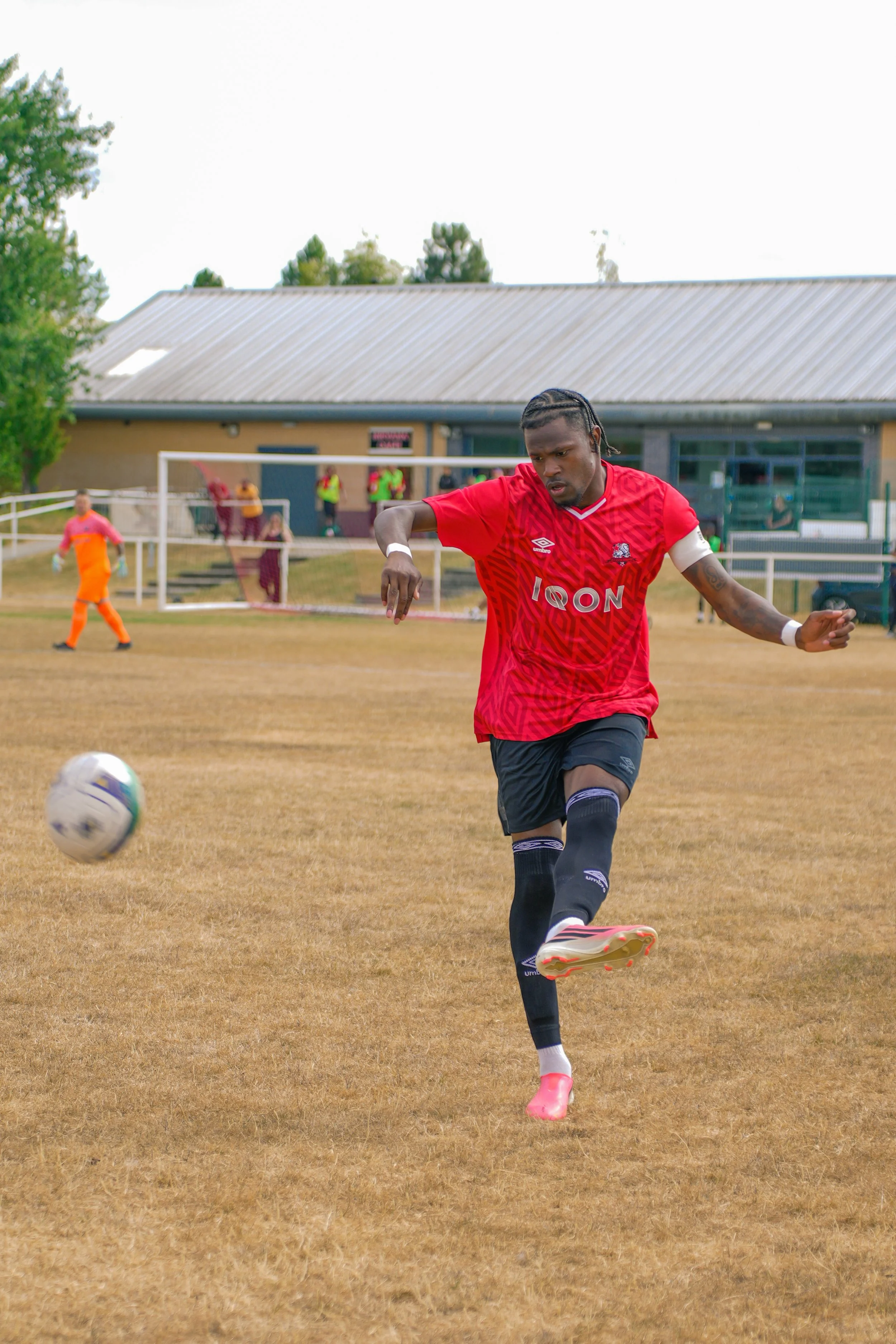
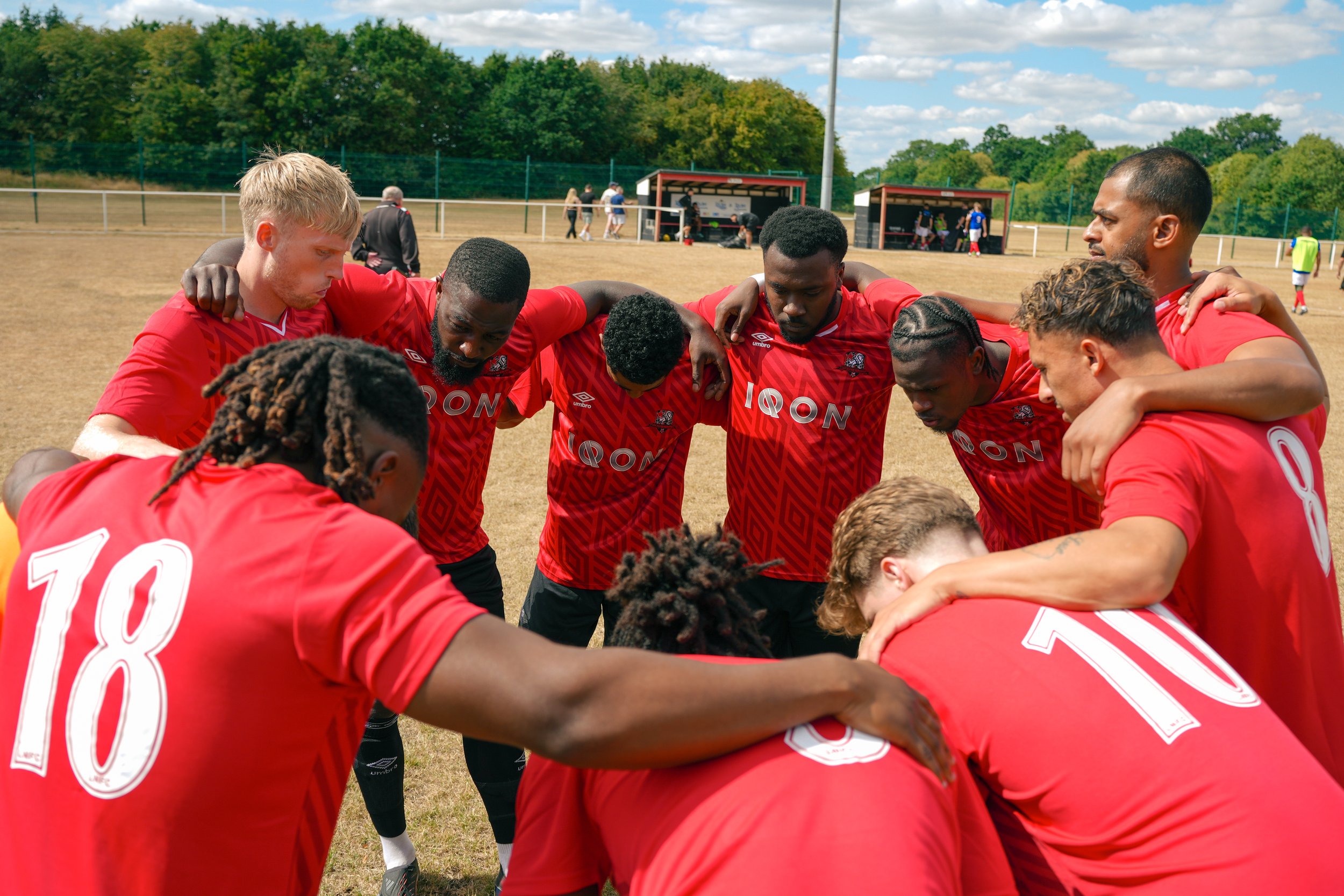
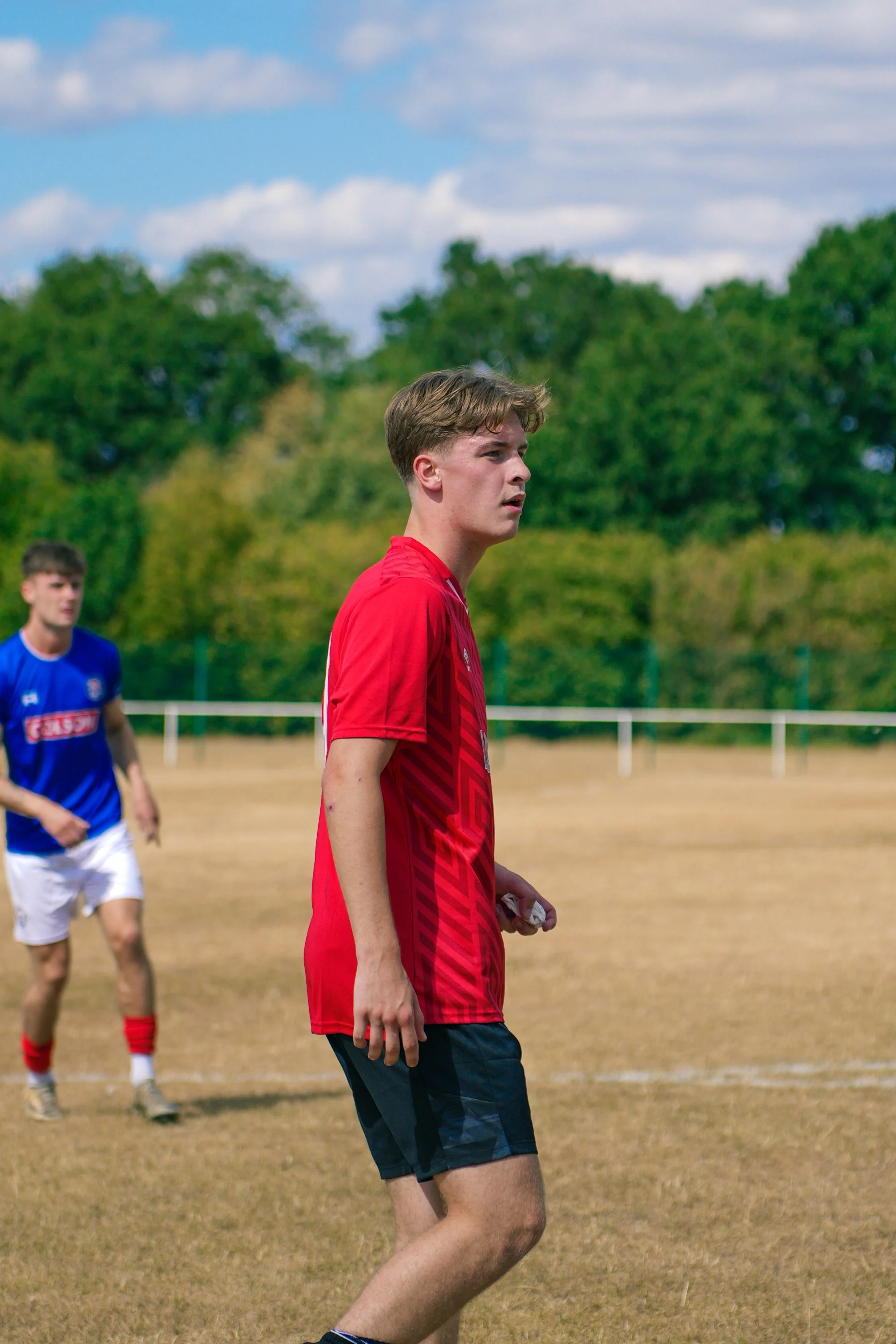
Right now, in Leicester and across the UK, grassroots football, including Leicester Nirvana are playing football in a paradox reality. We kick off our season with green dreams and club ambitions of sustainability, carbon literacy, and net-zero targets. Yet we look down at our feet and see something totally different. The pitches are bone-dry, dusty and completely brown.
For grassroots community clubs like ours, this isn't just an aesthetic problem. The baked, cracked earth beneath our boots is a hard physical reminder that climate change is no longer a distant headline; it is a weekly matchday reality changing how the game is played at the grassroots level.
The Autumn Shift: From Dust to Deluge
The deepest irony of modern British weather is how quickly the crisis flips on its head. We are navigating parched, rock-hard turf across July and August, but we all know what is coming in a matter of months. By late autumn and early winter, the ground will be saturated, and these exact same brown pitches will refuse to absorb the rain. Sometime around November, the text messages will start to appear, “Game off. The pitch is waterlogged.” We will once again be forced into a desperate scramble to find alternative, expensive floodlit 3G spaces or indoor hubs just to keep our kids playing. As a club, we need to find winter training venues so that we can attempt to protect the pitches for game days, as they will not hold up to both training and games, if at all. This adds an additional hidden cost to seasonal climate change.
Walking the Talk: The LEAF Initiative and More
This seasonal back and forth is exactly why grassroots clubs cannot afford to treat environmentalism as a side project. It is one of the reasons why Leicester Nirvana partnered with De Montfort University on the LEAF (Leicester Environmental Action and Future) programme.
We are not just complaining about the state of the turf, even as bad as it is. We are actively implementing changes, like moving toward comprehensive solar solutions and training staff in carbon literacy to build a net-zero model for our club, so that one day, we can even recycle the rain.
The Conclusion: Playing for the Future
The brown grass under our studs today tells us that our environment is under stress, and the waterlogged cancellations tomorrow prove it.
The takeaway from this is that climate change has a cost and that cost hits the empty pockets of grassroots. Clubs like ours struggle with the financial cost of developing a 3G for the future, even though it's on the bucket list, and we aspire to do so at a great cost. At the same time, we are hit with the extra cost of climate change today, having to pay out for additional facilities over the winter months.
If ever there was a catch 22, this is it.